

Replace IGU or Entire Window?
- alloregonglass
- May 15
- 5 min read

A cloudy double-pane window can make a whole room feel older than it is. When the glass fogs up, cracks, or loses its seal, most homeowners ask the same question: should you replace IGU or entire window? The right answer depends on what failed - the insulated glass unit itself, or the frame and sash around it.
For many homes in Hillsboro, Beaverton, Portland, and nearby communities, the glass is the problem, not the full window. That means a targeted repair may restore clarity, efficiency, and appearance without the cost of full replacement. But there are times when replacing the whole window is the smarter long-term move.
When to replace IGU or entire window
An IGU is the insulated glass unit inside a double-pane or triple-pane window. It is the sealed glass package that includes the panes, spacer, and insulating air or gas between them. If that seal fails, moisture can get inside and create the foggy look many homeowners notice.
When the frame is still square, the sash is in good condition, and the window opens and locks the way it should, IGU replacement is often the most practical solution. You keep the existing frame and replace only the failed glass unit. That usually means less disruption inside your home, lower cost, and a faster project.
If the frame is rotted, warped, drafty, or no longer operating properly, replacing only the glass may not solve the real problem. In that case, full window replacement may be the better investment because it addresses both energy loss and structural wear.
Signs the IGU is the only issue
Homeowners often assume a fogged window means the whole unit has reached the end of its life. Sometimes that is true, but not always.
If you see condensation trapped between panes, visible seal failure, or a crack in one section of insulated glass, the IGU may be the only part that needs attention. This is especially common in vinyl windows and woodstop windows where the frame remains solid but the sealed glass unit has failed over time.
Another good sign is when the window still feels stable and works normally. If it opens, closes, and locks without force, and you are not seeing water damage around the frame, a glass-only replacement often makes sense. For many homeowners, this is the most affordable way to fix the problem and improve the look of the window right away.
Signs the entire window should be replaced
There are cases where replacing the IGU would be too limited. If the frame has visible rot, soft wood, corner separation, or water damage, the problem goes beyond the glass. The same is true when a window has major air leaks, balance issues, or hardware failure that makes it hard to use.
Older windows can also reach a point where multiple parts are wearing out at once. If several seals have failed, the frame is dated, and the window no longer performs well in Oregon weather, full replacement may save you from repeating repairs later.
Appearance matters too. If you are already planning a major exterior update or trying to match a full-home window upgrade, replacing the entire unit may give you a cleaner, more consistent result.
Cost is important, but it is not the whole decision
Most homeowners first compare price, and that is reasonable. In many situations, IGU replacement costs less than full window replacement because you are keeping the existing frame and replacing only the insulated glass section. Labor is often more straightforward, and there is less material involved.
That said, the cheapest option is not always the best value. If the frame is failing and you replace only the glass, you may end up paying again when the rest of the window gives out. On the other hand, replacing a full window when only the glass has failed can be more work and expense than the home actually needs.
The best decision comes from looking at the full condition of the window, not just the fogged pane. A precise inspection matters here. That is how you avoid paying for too much or fixing too little.
Energy efficiency and comfort
A failed insulated glass unit does more than look bad. Once the seal breaks, the window loses part of the insulation that helps keep indoor temperatures stable. You may notice cold spots near the glass in winter or added heat in summer.
If the frame and weather sealing are still intact, replacing the IGU can restore much of that lost performance. This can be a smart move for homeowners who want to improve comfort without taking on a full window project.
If drafts are coming from around the frame, though, new glass alone will not fix the issue. In that case, replacing the entire window may be necessary to improve efficiency. This is one of the biggest reasons the answer to replace IGU or entire window depends on the source of the problem.
What about broken glass in one pane?
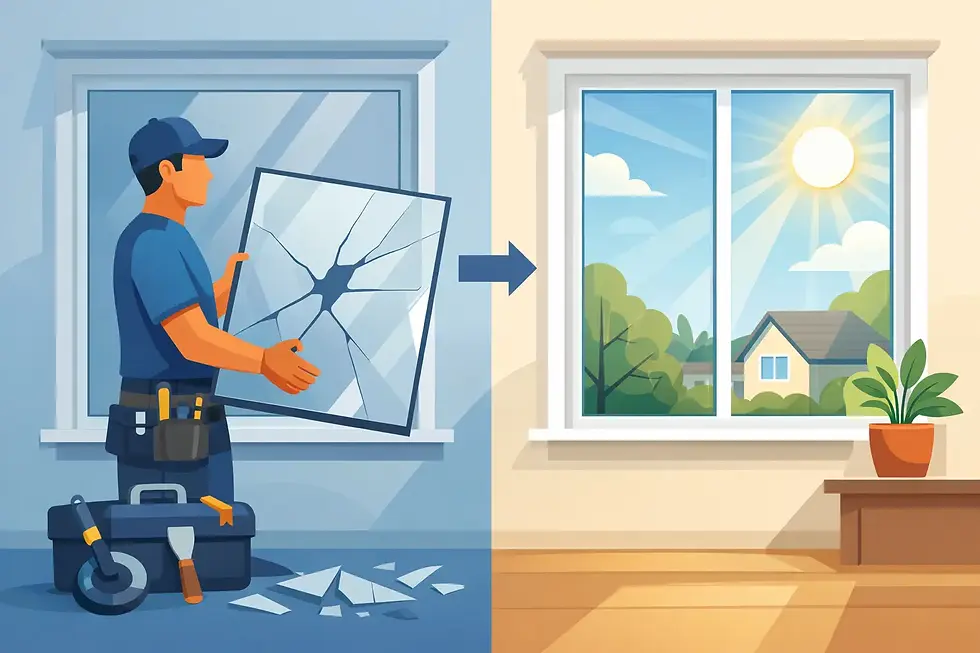
If one pane is cracked or shattered but the rest of the window system is in good condition, an IGU replacement is often the most direct fix. This is common with accidental impact, yard equipment, stress cracks, or minor settling.
For homeowners, this can be good news. You may not need a full remodel-style replacement to make the window safe and functional again. A properly measured and installed insulated glass unit can restore the original look without replacing trim, frame, or surrounding finishes.
Clean workmanship matters in this kind of repair. Precise sizing, careful removal, and proper sealing all affect how the new glass performs over time.
Older homes need a closer look
In Portland-area neighborhoods, many homes have older wood windows that still have good structure but tired glass. In those homes, replacing the IGU can be a strong option if the sash and surrounding material are still sound. It preserves more of the original window while solving the immediate performance issue.
But older homes also tend to hide moisture damage. Paint can cover soft wood, and years of seasonal movement can affect fit and operation. That is why a professional evaluation matters before deciding to replace the glass only.
With older windows, there is rarely a one-size-fits-all answer. Two windows in the same room can call for different solutions depending on age, exposure, and condition.
Why professional assessment matters
It is easy to search online and assume fogging means one simple fix. In practice, the right repair depends on the glass type, frame material, sash design, and whether the surrounding window system is still performing as it should.
A trained residential glass specialist can tell whether the issue is isolated to the IGU or if there are larger signs of failure. That helps homeowners make a decision based on condition, not guesswork.
This is also where local experience helps. Oregon homes deal with steady moisture, seasonal temperature swings, and a mix of old and new window styles. A contractor who regularly works on residential glass in this area can spot what is worth saving and what should be replaced.
The practical way to decide
If your window is fogged, cracked, or broken, start with three questions. Is the frame still solid? Does the window operate correctly? Is the problem limited to the glass itself?
If the answer is yes to all three, IGU replacement is often the right place to start. It is efficient, cost-conscious, and less disruptive for the home. If the answer is no to one or more, a full window replacement may be the better long-term fix.
At All Oregon Glass, this is the kind of decision we help homeowners make every day. The goal is simple: recommend the repair that fits the actual condition of the window, complete the work cleanly, and get it done right the first time.
A clear window should not be a complicated decision. When you know whether the glass failed or the whole window has worn out, the next step becomes much easier.


Comments